
Client: See Hoy Chan
Location: Imazium, Kuala Lumpur
Project: Idea Zone @ Imazium
Description: A dynamic shared facilitycentered around three core principles; Inspire & Energise,Spatial Diversity and Build Community.
Our role: Space planning, Lead Designer
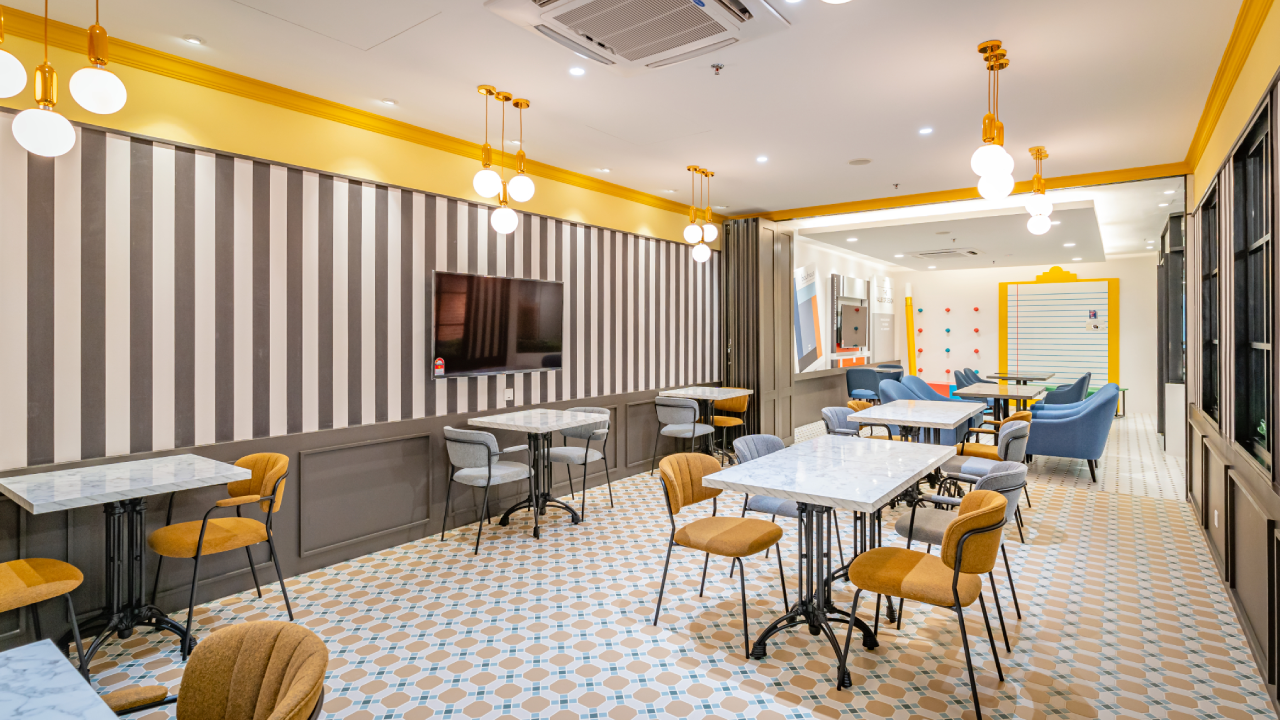
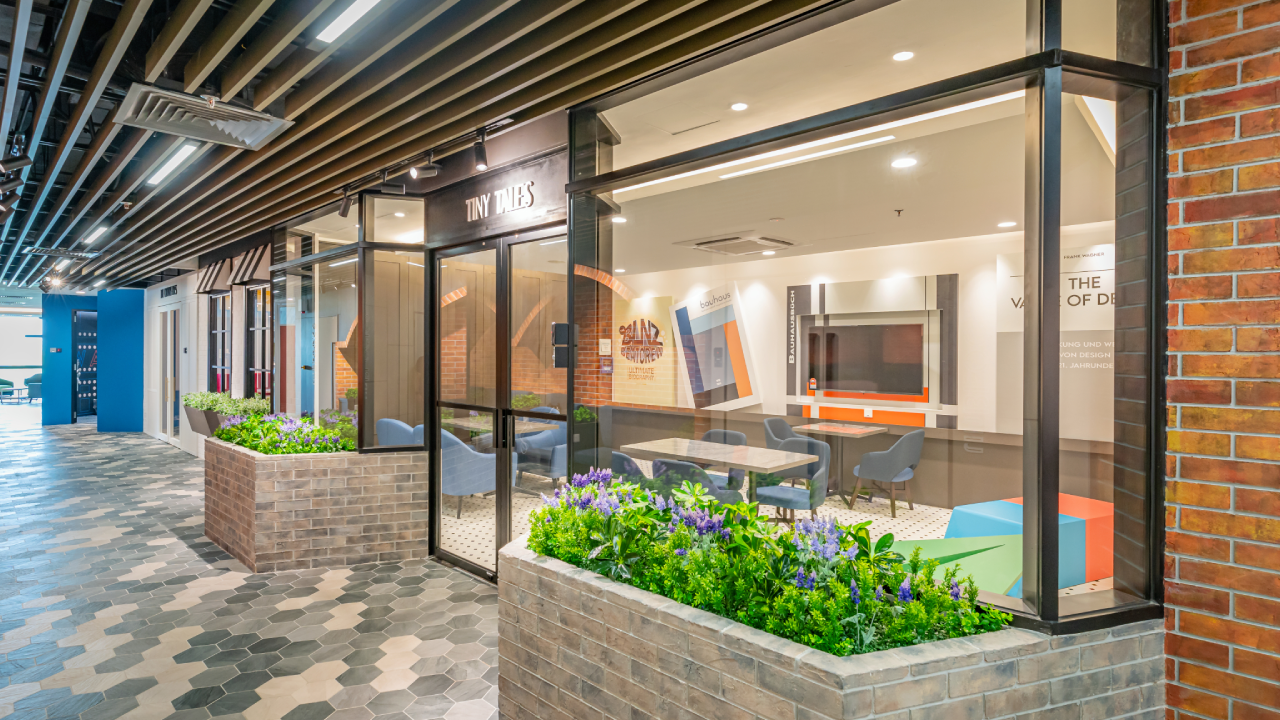
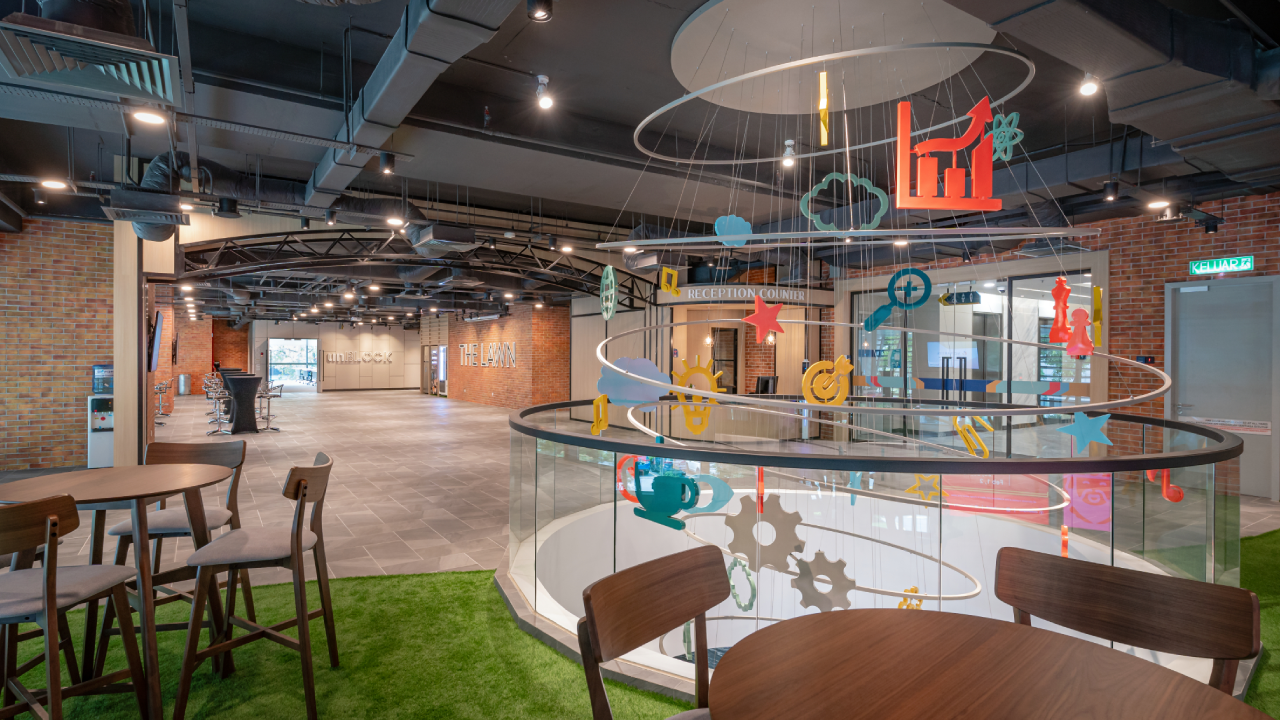
Level 1 Idea Zone at Imazium is a dynamic shared facility designed to be the vibrant heart of the building's community. It serves as a living embodiment of the "Imagination + Gymnasium" philosophy, providing tenants with a suite of amenities that go far beyond standard office facilities. Our design for this floor is centered around the three core principles of the design intention: to Inspire & Energise, to offer Spatial Diversity, and to actively Build Community.
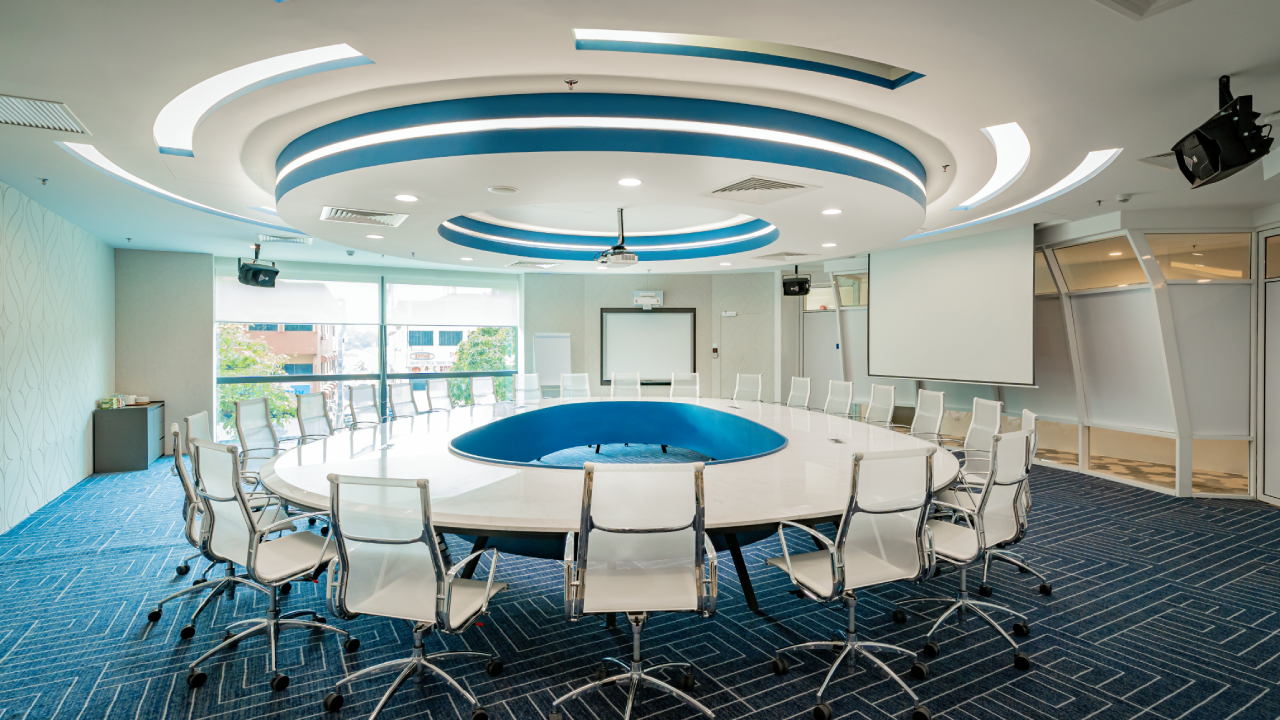
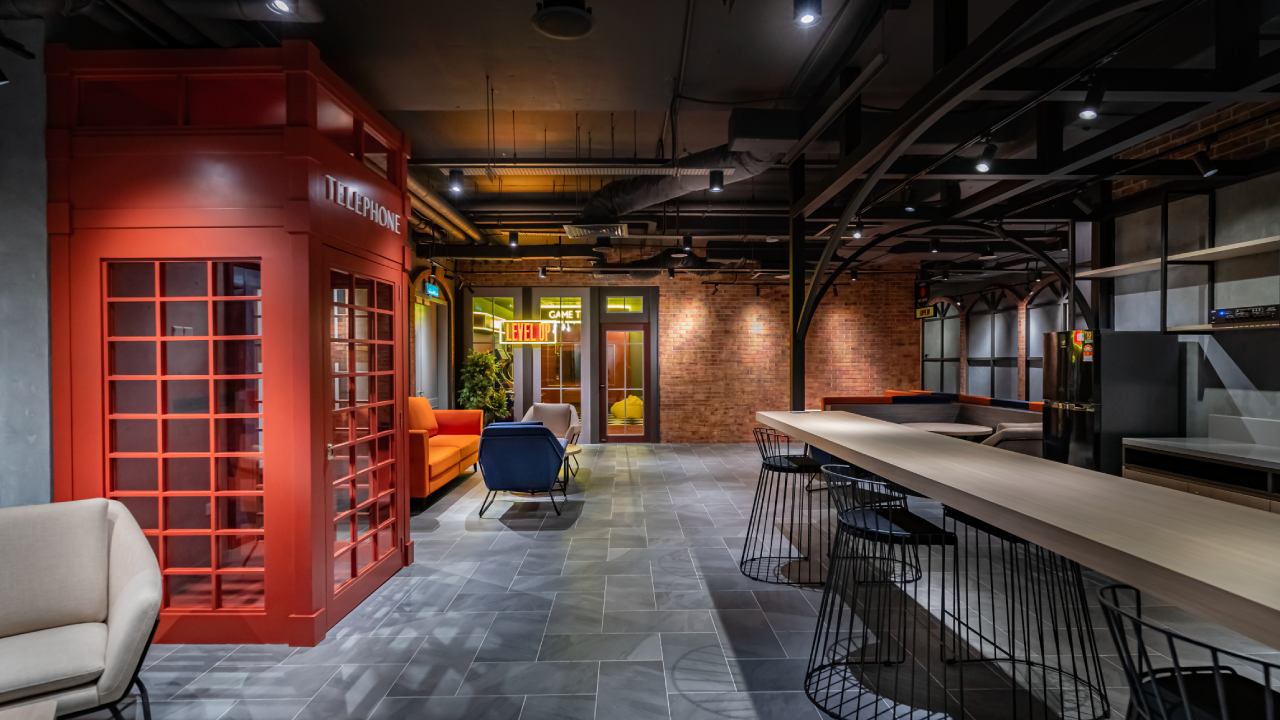
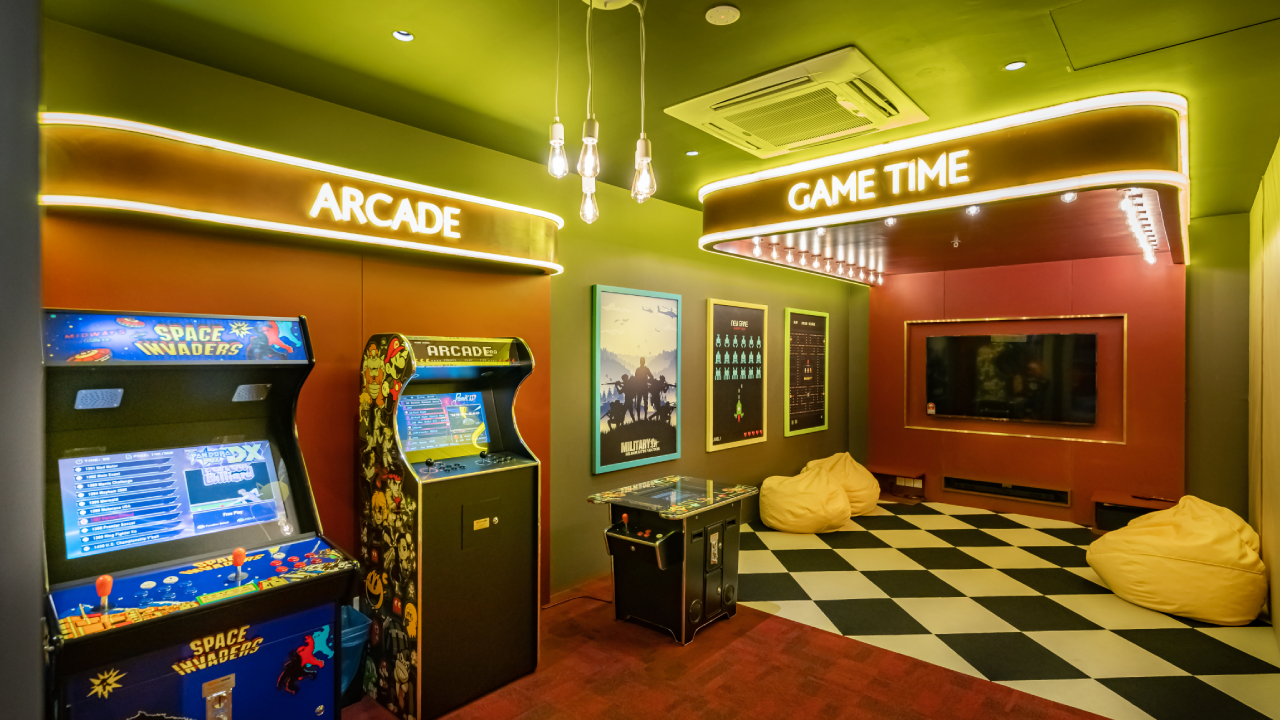
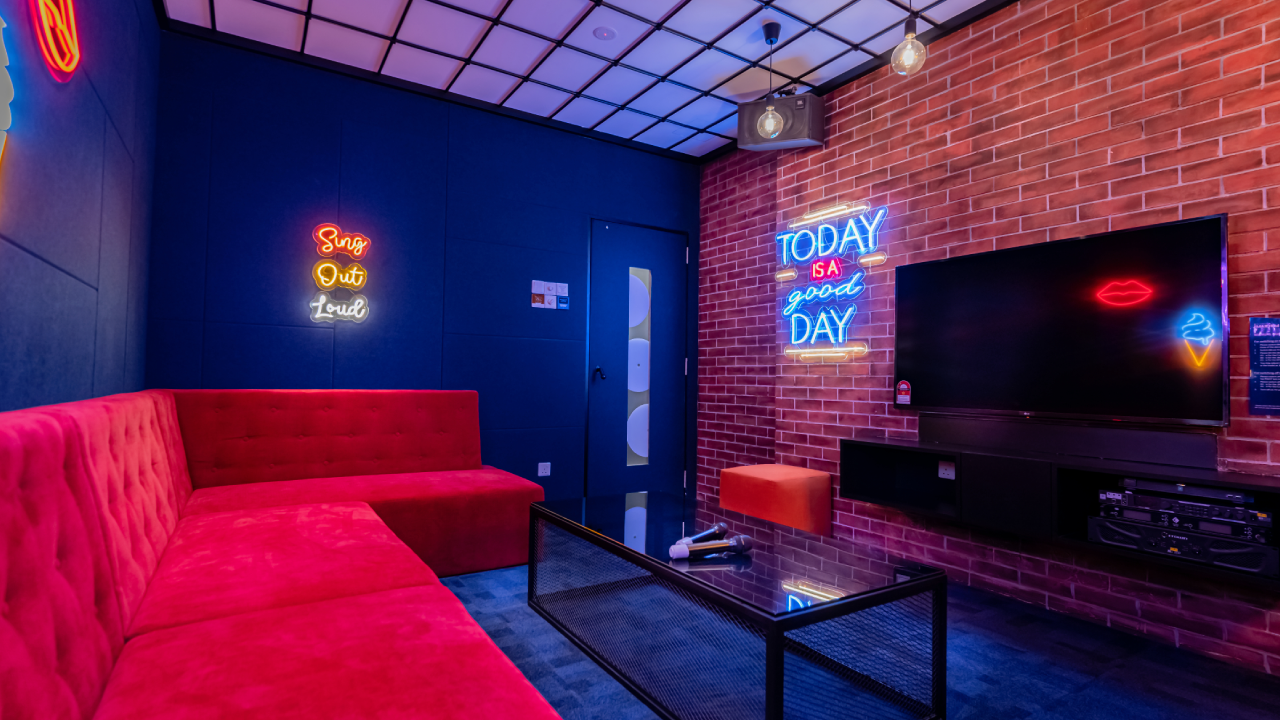
Inspire & Energise - a fun and creative approach, imbuing each space with a unique identity that encourages a break from the conventional. From the lively 'Waka-Waka' meeting room to the playful 'Not So Bored' boardroom and the energetic 'Level-Up' games room. These names reflect a design that is vibrant, full of character, and intentionally crafted to stimulate creativity and engagement.
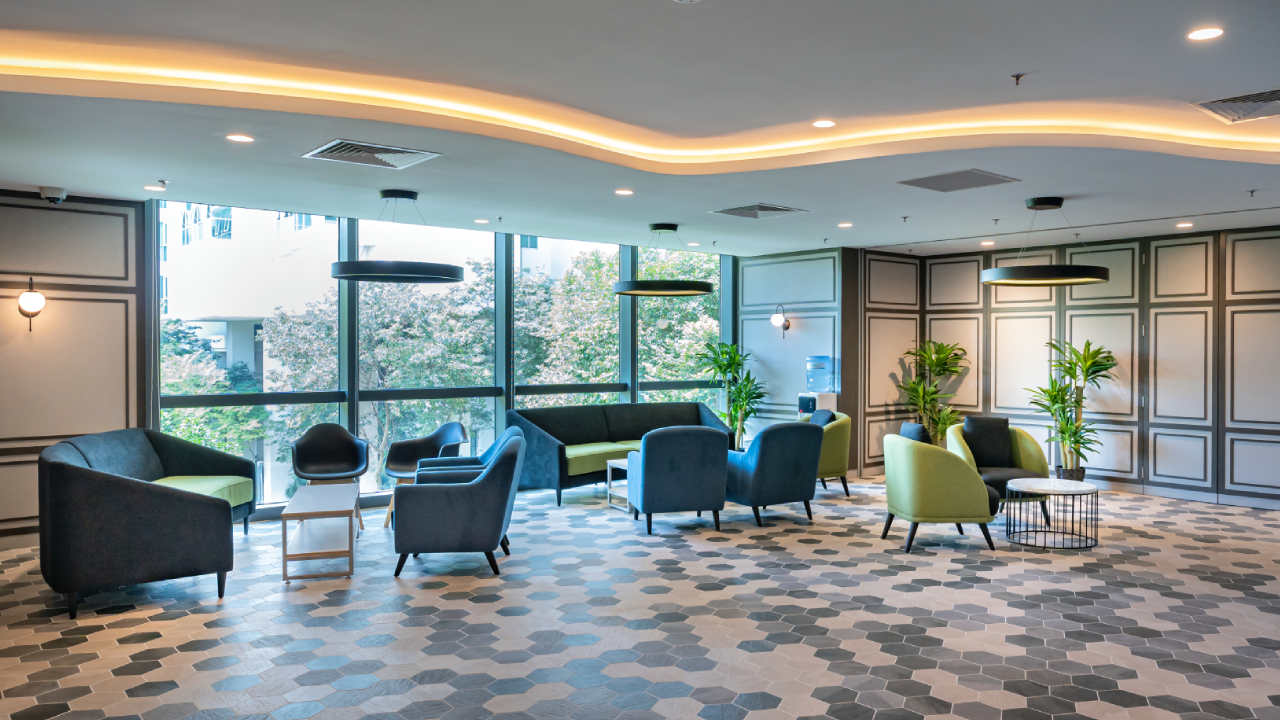
Spatial Diversity - makes it truly functional. A carefully curated mix of environments support every kind of activity, from formal presentations in the board room to casual team huddles and individual downtime. This variety of spaces ensures that tenants can find the perfect setting for their needs, whether they are seeking a quiet corner to focus or a lively area for a quick collaboration.
Building Community - represents Idea Zone as a central hub where employees from different companies can interact, network, and form connections. It's a place for chance encounters and shared experiences, turning the building into a cohesive ecosystem where ideas flow freely and a vibrant, collective spirit can thrive.
The interior design of Imazium’s common facilities and areas is a comprehensive and thoughtful response to the client brief, which called for a dynamic workspace targeting modern MNCs, tech companies, and start-ups.
Ultimately, this design strategy is about more than just aesthetics; it’s about creating an ecosystem. These common areas and facilities are designed to be a living, breathing part of the building, actively supporting its most valuable assets—its people and their ideas—while reinforcing its status as a forward-thinking and premium commercial destination.